
Business

What to Expect From Septic Tank Installation in Brisbane (Without the Sugar-Coating)

Hot take: the septic tank itself is rarely the hard part.

The site is the hard part. Brisbane blocks have a habit of looking “fine” until the soil report shows reactive clay, a high seasonal water table, or drainage that turns your proposed trench line into a soggy mess every summer storm.

If you’re planning a septic tank installation in Brisbane, expect a process that’s part engineering, part paperwork, part weather roulette.


 Permits and approvals: the part nobody budgets time for

You don’t just “install a septic” in Brisbane. You get approvals, prove the site can handle on-site wastewater, and show that the system won’t annoy your neighbours or contaminate groundwater. The exact pathway for SEQ wastewater treatment depends on your local council area and whether you’re in a sensitive catchment or near waterways.

A solid permit submission usually includes:

– Site plan with setbacks and proposed component locations

– Soil and/or percolation testing results

– System design/specs (tank capacity, treatment type, disposal area sizing)

– Hydraulic loading assumptions (bedrooms/occupants/water use)

– Erosion and stormwater management approach (yes, they care)

Review times vary, and you can lose weeks if the application is vague. I’ve seen perfectly capable installations delayed because the drawings didn’t clearly show maintenance access or because the disposal area was too close to a drainage line (the council reviewer won’t “assume” anything in your favour).

One more thing: approvals often come with conditions. Treat them like gospel. Future property sales and inspections have a way of resurrecting old paperwork.


 “Will my block suit a septic?” Ask the soil, not your gut

Here’s the thing: Brisbane soil can change dramatically over a short distance. You can have decent loam near the house and heavy clay where the trenches need to go. That’s not rare.


 Soil assessment, the practical version

A proper evaluation looks at texture, structure, and limiting layers. You’re trying to answer a few blunt questions:

– How fast will effluent infiltrate without surfacing?

– Is there a restrictive horizon (dense clay, rock, compacted fill)?

– Where’s the groundwater at the wettest time of year?

– Will the area stay stable under load (vehicles, rain, backfill compaction)?

Percolation isn’t a vibe. It’s measured. Depending on the assessor and council expectations, you might see percolation testing, test pits, infiltration tests, or a combination. And yes, the results directly change what system types are even viable.

One-line truth:

Bad soil doesn’t mean “no septic,” it means “different septic.”


 Drainage in Brisbane: design for storms, not average days

Brisbane rain doesn’t politely drizzle. It dumps. That matters because disposal areas fail when they’re hydraulically overloaded, either from the system itself or from stormwater rushing through the same zone.

A good design separates stormwater and wastewater like they’re in a messy breakup.

Look for (and plan around):

– Overland flow paths in heavy rain

– Low points where water ponds

– Cut-and-fill zones that change natural drainage

– Roof runoff and surface drains that accidentally “feed” the disposal area

Now, this won’t apply to everyone, but if your block has any slope, the uphill side of the trench area needs special attention. I’ve seen systems performing well for years, then a landscaping change redirects runoff and suddenly the owner is dealing with soggy ground and odour.


 Soil testing: what it really reveals on Brisbane properties

Soil testing isn’t just a box-tick for council. It tells you what kind of disposal strategy is realistic.


 Common Brisbane patterns (not universal, but familiar)

Clayey profiles: slow infiltration, higher saturation risk, may push you toward mounds, shallow trenches, or enhanced treatment

Sandy/loamy pockets: better infiltration, but can move nutrients faster if groundwater is shallow

Variable horizons: the tricky one, top layer looks good, then a dense layer stops vertical movement and causes lateral seepage

Percolation rates and hydraulic conductivity drive drainfield sizing and trench spacing. They also influence dosing decisions, distribution media, and whether you need secondary or tertiary treatment.

A specific data point, because numbers cut through noise: according to the Australian Bureau of Meteorology, Brisbane’s long-term average annual rainfall is roughly 1,100, 1,200 mm depending on station and period (BoM climate statistics: http://www.bom.gov.au/climate/). Design that ignores wet-season realities is design that comes back to haunt you.


 Sizing the septic tank (and why the “rule of thumb” talk gets people in trouble)

Sizing is a mix of daily flow assumptions, retention time, and the treatment/disposal method you’re using. Bedrooms matter, occupants matter, and peak loads matter (teenagers + long showers + visitors is a real hydraulic event).

You’ll typically calculate:

– Expected daily wastewater flow

– Required tank volume to provide adequate settling/retention

– Safety margin for peak loads and future use

– Compatibility with the chosen treatment unit (if aerobic, there are manufacturer specs to follow)

Opinionated note: oversizing isn’t automatically “safer.” A tank that’s too large for the actual loading can reduce turbulence (good), but it can also change how solids behave and how the downstream system receives effluent, depending on layout and dosing. The right answer is design-specific, not macho.

And don’t ignore access. If the tank can’t be pumped easily, it won’t be pumped often enough. Humans are predictable like that.


 System types in Queensland: pick based on site reality, not marketing

You’ll hear a lot of confident claims from suppliers. Some are fair. Some are… optimistic.

Common options you’ll run into:

1) Conventional septic + absorption trenches

Works when soils and setbacks cooperate. Simple, low-energy, fewer moving parts.

2) Aerobic Treatment Units (ATUs)

More treatment, often used where site constraints exist. They need power and regular servicing. Great when maintained; annoying when neglected.

3) Mound systems / sand filters / hybrid designs

Usually for poor soils, high groundwater, or tight constraints. More earthworks. More cost. Often the correct choice anyway.

Your decision should be anchored to soil permeability, groundwater separation, available land area, slope, and environmental sensitivity. If a contractor recommends a system without referencing your site data, that’s a red flag.


 Prep and excavation: this is where good installs get ruined

Excavation looks straightforward until it isn’t. Trenching in the wrong moisture conditions can smear clay and destroy infiltration capacity (I’ve seen it happen after one rainy week and a schedule that wouldn’t budge).

A decent installer will care about:

– Trench depth and level control

– Pipe gradients (not “close enough”)

– Bedding and backfill that won’t crush or distort components

– Protecting the disposal area from compaction by machinery

– Erosion controls so sediment doesn’t clog what you just built

One short paragraph, because it matters:

Keep heavy vehicles off the disposal area. Forever, ideally.


 Timeline: what actually happens, in messy real life

Some installs feel quick. Others drag.

A typical sequence goes something like:

  1. Stake-out and set levels
  2. Excavate tank hole and trench/disposal area
  3. Pre-placement inspection (often required)
  4. Place tank, connect inlet/outlet, install risers and access lids
  5. Install distribution pipes/media (or ATU components and wiring)
  6. Inspection checkpoints
  7. Backfill in stages, final grading to shed water away
  8. Commissioning/start-up (especially for ATUs)

And then you document as-builts. Not glamorous, but future-you will love present-you for it.


 Brisbane-specific delays (and how to dodge them)

Question for you: are you scheduling earthworks in peak wet season and hoping for the best?

Because that’s how projects stall.

Delays usually come from three places: approvals, weather, and contractor availability. The fix isn’t complicated, but it does require discipline:

– Lock permits and designs before ordering equipment

– Plan excavation for a dry window if your soil is reactive or prone to smearing

– Coordinate deliveries so components aren’t sitting on-site while you wait for inspections

– Confirm inspection timing early (inspectors don’t appear magically)

Look, a one-week delay is normal. A six-week delay is usually planning failure.


 Budget: the hidden costs that bite later

People budget for the tank and trenches. They forget the rest.

Common “where did that come from?” expenses:

– Soil spoil removal and disposal fees

– Rock excavation or dewatering

– Redesign after soil results (happens more than anyone admits)

– Electrical work for pumps/ATUs

– Access risers, lids, and traffic-rated covers if needed

– Ongoing servicing contracts (especially for ATUs)

Long-term, maintenance isn’t optional if you want the system to last. Pump-outs, filter cleaning, inspections, effluent checks where required, it’s all part of owning on-site wastewater.

And yes, aesthetics matter too. If lids are ugly and exposed, people bury them. Buried lids lead to skipped servicing. Skipped servicing leads to failures. Human behaviour is part of engineering, whether we like it or not.


 Finding the right installer in Brisbane (this is where I get picky)

A qualified local installer isn’t a nice-to-have. Brisbane soils, drainage patterns, and council expectations aren’t identical to “somewhere else in Queensland,” and the best contractors design with local pain points in mind.

Ask for evidence, not confidence:

– License/credentials and insurance

– Past work on similar soil types and block layouts

– Clear drawings showing access points and serviceability

– How they handle wet-weather excavation and erosion control

– What post-install support looks like (and what it costs)

If the quote is one page and vague, expect surprises. If it’s detailed and a bit annoying to read, that’s usually a good sign.
Business

Why Brisbane Commercial Refrigeration Needs Specialist Servicing (Not Heroics)

If you’re still treating commercial refrigeration like a “she’ll be right” appliance, Brisbane will punish you for it. Heat, humidity, salty air in some pockets, and brutal peak-hour door openings turn minor faults into expensive downtime faster than most operators expect.

I’ve watched perfectly decent systems get wrecked by “quick fixes” that would’ve been harmless in a cooler, drier city. Up here, they compound.

One-line truth:

Downtime costs more than servicing.


 Brisbane doesn’t just run hot. It runs wet.

Brisbane summer humidity changes the whole game. Condensate has to move where it’s meant to, insulation has to stay dry, and coils need to reject heat reliably even when the air feels like soup.

From a technician’s lens, the failure pattern looks familiar:

– Drain lines bio-foul faster

– Evaporators ice up oddly because defrost timing “almost” works

– Door seals look fine… until you measure infiltration and see the compressor working overtime

– Condenser performance drops harder after wet-season grime builds up

That’s not theory. That’s the callout list for Brisbane commercial refrigeration systems.

And if you’re near the bay or in an exposed plant area, corrosion isn’t a distant threat, it’s scheduled maintenance you didn’t schedule.


 DIY in a commercial kitchen: cheap now, expensive later

Look, I get it. You’ve got staff, invoices, a Friday night rush, and a fridge that’s “kinda warm.” You tighten something, wipe a coil, restart the unit. It runs. You breathe again.

Here’s the thing: commercial refrigeration failures don’t announce themselves politely. They hide.

A DIY repair often restores operation while quietly making the next breakdown more catastrophic (and usually at the worst time).


 The usual DIY trapdoors

A short list actually helps here:

Wrong refrigerant charge (even a little off can hammer efficiency and compressor life)

Electrical “near enough” fixes: loose spades, underrated contactors, dodgy terminations

Seal and hinge bandaids that don’t correct alignment, so the gasket keeps leaking

Parts roulette: a fan motor that fits physically but pulls the wrong current or has the wrong RPM

Blocked drains treated with guesswork (then you get overflow, slip hazards, mould, and insulation damage)

I’m not saying staff can’t do anything. Basic cleaning and simple checks are great. But when you cross into refrigerant, electrics, controls, or airflow balancing, DIY becomes gambling with stock, compliance, and insurance.


 The hazards you don’t see (until you smell them)

Refrigerant leaks can be microscopic and still wreck performance. Electrical faults can sit there, heating up quietly, until you get nuisance trips… or worse. And that “little puddle” by the coolroom? Sometimes it’s just a drain. Sometimes it’s the beginning of soaked panel insulation and a long, expensive moisture problem.

Now, this won’t apply to everyone, but if you run a busy venue with constant door cycling, you’re more exposed than you think. High traffic exaggerates every small defect.

Also, Brisbane operators tend to underestimate how much humidity messes with condensate management. Wet coils, blocked drains, overflowing trays, saturated insulation, none of it is glamorous, all of it is costly.


 Compliance isn’t paperwork. It’s operational protection.

Specialist servicing isn’t only about “fixing the fridge.” It’s about keeping you inside the lines: food safety, electrical safety, refrigerant handling, and documented maintenance.

A decent technician will work like they expect an auditor to read their notes. Because sometimes they will.

You’ll typically see protocols like:

– lockout/tagout practices during service

– documented temperature verification (not “feels cold”)

– inspection of wiring, contactors, overloads, and isolators

– refrigerant handling that aligns with Australian rules and licensing

– service logs that support compliance and warranty claims

And yes, documentation matters when something goes wrong and everyone suddenly cares about “who last touched it.”


 What a proper diagnostic looks like in Brisbane

Some diagnostics are basically a glance and a quote. That’s not a diagnostic, it’s a guess with branding.

A real diagnostic is more like building a timeline: what changed, when it changed, and what the system did in response.

In practice, a specialist will usually run through things like:

History review: recent faults, previous repairs, alarm codes, usage spikes

Operating pressures and superheat/subcooling checks: confirms charge and heat transfer health

Airflow assessment: coil condition, fan performance, duct/guard obstruction, placement issues

Temperature mapping: cabinet vs. product temp vs. ambient, not just one probe reading

Defrost evaluation: intervals, termination, drain heat, and the “does it refreeze properly?” test

Electrical testing: current draw, capacitor condition, contactor wear, supply stability

Then you get recommendations that are ranked, what must be fixed now to avoid spoilage, and what can wait until a planned window (because nobody wants a midday shutdown).


 Energy efficiency in Brisbane isn’t a “nice to have”

If your condenser is struggling in humid 32°C weather, the unit will run longer, draw more power, and age faster. That’s not opinion. That’s how refrigeration works.

A specific number, because it keeps people honest: the Australian Government’s guidance notes that heating and cooling can account for around 20, 50% of energy use in many Australian buildings, depending on building type and operation (source: Department of Climate Change, Energy, the Environment and Water, Energy Efficiency guidance pages). Refrigeration in hospitality can sit right in the pain zone of your bill.

Small wins stack up quickly:

– clean condenser coils (especially after wet-season grime)

– confirm door seals actually seal under load

– tune defrost so it’s not melting money overnight

– check fan motors and controls for correct operation

– ensure refrigeration setpoints aren’t overcooling “just in case”

I’ve seen sites shave meaningful running time simply by fixing door alignment and airflow issues that were shrugged off for months.


 Parts, tools, and the preventive plan that actually works

If you’re running a serious operation, you want a spares strategy, but not a storeroom full of random bits that don’t match anything.

A sensible Brisbane-leaning kit often includes consumables and high-failure items:

– door gaskets and hinges (the boring stuff causes the most headaches)

– fan motors and blades (humidity and grease aren’t kind)

– contactors, relays, capacitors, fuses

– temp probes/sensors and a controller backup if the site uses common models

And for on-site checks: a reliable digital thermometer is non-negotiable. Staff should be able to spot drift early, log it, and escalate before the compressor is fighting a losing battle.

Preventive maintenance that’s worth paying for tends to include: coil cleaning, drain clearing, defrost verification, electrical inspection, refrigerant leak checks, and performance logging. The best plans aren’t fancy, they’re consistent.


 Picking a Brisbane refrigeration specialist (a little blunt advice)

You don’t need the cheapest technician. You need the one who reduces your total cost of ownership and doesn’t create a second problem while solving the first.

Ask direct questions. If the answers feel slippery, move on.

Good signs:

– They can show licensing, insurance, and relevant certifications without drama.

– They talk about diagnostics and measurements, not “common faults” and hunches.

– They’ll give a written estimate with parts, labour, call-out rules, and likely downtime.

– They can support maintenance SLAs and realistic response times (not fantasy guarantees).

– They understand Brisbane conditions: humidity load, corrosion exposure, condensate management.

One more thing (and I mean this): if they can’t explain the issue in plain language after they’ve tested it, you’re not getting a specialist, you’re getting a mystery.


 The uncomfortable question

Are you running refrigeration… or are you gambling on it?

Brisbane rewards operators who treat cold chain reliability like an asset, not an afterthought. Specialist servicing isn’t glamorous, but it’s usually the difference between predictable costs and a weekend spoiled stock event that never should’ve happened.

Business

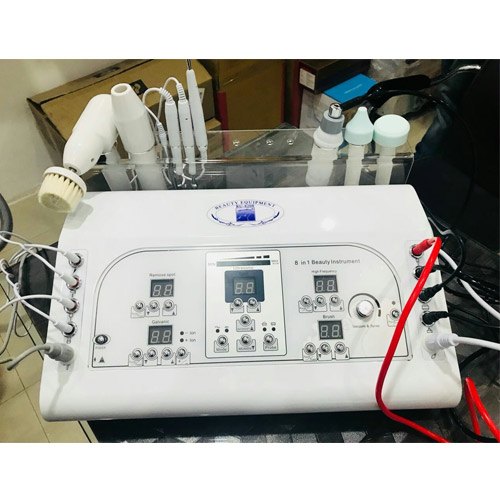
Customized Facial Solutions Incorporate High Performance Beauty Machine Systems

Healthy, radiant skin often reflects a thoughtful approach to skincare. Modern treatment methods have transformed facial care by introducing advanced technologies that support personalized experiences. Customized facial solutions combined with high-performance beauty machine systems help individuals achieve refreshed, balanced, and glowing skin while addressing unique concerns with greater precision.

The Value of Personalized Facial Treatments

Every complexion has different characteristics, making customized care an important part of successful skincare routines. Advanced beauty machine systems allow treatments to be tailored according to individual needs.

Key Personalization Benefits

  • Targets specific skin concerns effectively
  • Supports balanced hydration levels
  • Enhances overall skin appearance
  • Improves treatment accuracy
  • Promotes a smoother and brighter complexion
  • Encourages long-term skincare success
  • Provides adaptable treatment options

These personalized approaches help create comfortable and satisfying skincare experiences while supporting visible improvements.

How High-Performance Beauty Machine Systems Enhance Results

Beauty Machine

Modern beauty machine systems are designed to deliver consistent treatment support through innovative technologies. Their precision helps skincare professionals customize procedures while maintaining comfort and efficiency.

Important Features

  • Advanced treatment customization
  • Gentle and comfortable application methods
  • Consistent performance across sessions
  • Support for multiple skincare goals
  • Enhanced treatment precision
  • Efficient operation and reliability
  • Improved user experience

Many skincare professionals explore solutions through resources such as https://www.konmison.com/de/ when learning about developments in beauty machine technology and treatment innovations.

Advantages of Customized Facial Solutions

Personalized facial treatments supported by advanced systems offer a wide range of benefits that contribute to healthier-looking skin.

Common Advantages

  • Refined skin texture
  • Improved skin radiance
  • Enhanced moisture retention
  • Better absorption of skincare products
  • Reduction in the appearance of dullness
  • Support for a refreshed appearance
  • Increased confidence in daily skincare routines

These benefits often become more noticeable when treatments are performed consistently as part of a well-structured skincare plan.

Supporting Long-Term Skin Wellness

Customized facial solutions are not only focused on immediate improvements but also on maintaining skin quality over time. High-performance beauty machine systems help create treatment programs that can evolve according to changing skincare needs.

Long-Term Benefits

  • Ongoing skin maintenance support
  • Consistent treatment quality
  • Adaptable skincare strategies
  • Improved overall skin balance
  • Enhanced appearance of vitality
  • Support for healthy-looking skin throughout the year
  • Greater flexibility in treatment planning

With personalized care and advanced technology working together, individuals can enjoy skincare solutions that align with their specific goals and preferences.

Conclusion

Customized facial solutions incorporating high-performance beauty machine systems represent a positive advancement in modern skincare. Their ability to deliver personalized care, precise treatment support, and consistent results makes them valuable tools for enhancing skin appearance and wellness. By combining tailored treatment strategies with innovative technology, these solutions help create smoother, brighter, and more refreshed complexions while supporting long-term skincare success.

Business

Anti-Topple Mechanisms: Designing Safe Upright Aluminum Drying Stations

Aluminum Alloy Clothes DryingYou have never thought about your laundry rack tipping over. Not once. Until the day your favorite cashmere sweater lands on the floor, soaked in dirty water from the bucket it knocked over. That is the moment you realize: stability is not a luxury. It is a necessity.
Let us talk about why most drying stations fail. They are top-heavy. They wobble. They fold under pressure like a cheap card table. And when they go down, they take your freshly washed linens with them. The industry has been selling us glorified wire hangers for decades, and we have been accepting it.

Enter the upright Aluminum Alloy Clothes Drying station with anti-topple engineering. This is not your grandmother’s clotheshorse. This is a piece of furniture designed by people who understand physics and human clumsiness.

The secret lies in the base. A wide, low-profile footprint that anchors the entire structure. Think of it like a sports car. Low center of gravity. No sway. No drama. When you load it with wet jeans and heavy bath towels, the weight distribution works with you, not against you. The aluminum frame is not just lightweight for easy moving; it is rigid enough to resist twisting forces that would send lesser racks crashing down.

But the real magic is the anti-topple mechanism itself. Some designs use a locking hinge system that engages the moment pressure shifts. Others incorporate weighted feet that grip the floor like a cat’s claws. The best ones combine both. You get a unit that stands firm even when a toddler bumps into it or when you accidentally drag a wet sheet across the top rail.

Why aluminum? Because steel rusts. Plastic cracks. Wood warps. Aluminum laughs at moisture. It does not corrode. It does not stain your clothes. It stays cool to the touch and bounces back from minor dents. Plus, it is light enough that you can move the entire station from the laundry room to the balcony without calling for backup.

Here is the part that matters to you: this design saves money. Not just because you stop replacing broken racks every season. Because you stop ruining clothes. A toppled rack can snag delicate fabrics, stretch out knits, and leave permanent creases from the fall. That is money down the drain. A stable rack protects your investment in your wardrobe.

And let us be honest. Nobody wants to look at a disaster zone in their home. A drying station that stays upright looks intentional. It looks like you planned for it. It becomes part of the room rather than an eyesore waiting to collapse.

The market is flooded with cheap options. They all promise stability. They all deliver frustration. The difference is in the engineering. Look for reinforced crossbars. Look for rubberized feet that do not slide on tile or hardwood. Look for a warranty that tells you the manufacturer believes in their product.

You do not need to settle for a rack that plays Jenga with your laundry. You need a station that stands its ground. Because when the spin cycle ends, the real test begins. And your clothes deserve better than a crash landing.

Business

Eco-conscious brands rely on recyclable spout pouches for sustainability

As sustainability becomes a central focus for businesses and consumers alike, eco-conscious brands are turning to innovative packaging solutions that reduce environmental impact. Recyclable spout pouches have emerged as a leading choice for companies aiming to combine convenience, functionality, and environmental responsibility.

Sustainable Packaging with Purpose

Recyclable spout pouches are designed to minimize waste while offering the same practical benefits as traditional packaging. Brands that adopt these pouches demonstrate their commitment to eco-friendly practices, fostering consumer trust and loyalty. Key sustainability advantages include:

  • Reduced Material Use: Lightweight and flexible, spout pouches require less material than rigid containers, resulting in lower resource consumption.
  • Lower Carbon Footprint: Their compact design reduces transportation volume, cutting emissions associated with logistics.
  • End-of-Life Recycling: Made from recyclable plastics or laminated films, these pouches can be reprocessed, keeping them out of landfills.

Benefits for Eco-Conscious Brands

Incorporating recyclable spout pouches into product lines provides tangible advantages for environmentally focused brands:

  • Strengthening Brand Image: Consumers increasingly associate eco-friendly packaging with responsible corporate behavior, enhancing brand reputation.
  • Meeting Regulatory Standards: Sustainable packaging solutions align with government initiatives and regulations that promote recycling and reduce plastic waste.
  • Appealing to Green Consumers: Eco-minded shoppers prefer products that minimize environmental harm, making recyclable spout pouches a compelling selling point.

Practical Advantages of Recyclable Spout Pouches

While sustainability is a core benefit, these pouches also offer practical features that make them ideal for various products:

  • Portability and Convenience: Lightweight and easy to handle, spout pouches provide on-the-go accessibility without compromising environmental goals.
  • Spill-Resistant Design: Secure caps reduce leakage and waste, reinforcing both convenience and sustainability.
  • Versatile Use: Suitable for beverages, liquid snacks, and personal care products, they provide eco-friendly solutions across multiple industries.

Encouraging Circular Economy Practices

Recyclable spout pouches support circular economy principles by promoting reuse and responsible disposal:

  • Consumer Education: Clear labeling helps users identify recyclable packaging and encourages proper recycling habits.
  • Industry Collaboration: Brands adopting recyclable spout pouches often participate in broader sustainability initiatives, contributing to systemic environmental change.
  • Innovation Incentives: Continuous improvement in recyclable pouch technology drives advancements in material science and reduces environmental impact further.

Conclusion

Packaging solutions like spout pouch bag enhance portability and convenience for customers. For brands committed to sustainability, recyclable spout pouches offer a powerful combination of practicality, consumer appeal, and environmental responsibility. By reducing material use, supporting recycling initiatives, and aligning with eco-conscious consumer expectations, these pouches enable companies to make a meaningful impact. Investing in recyclable spout pouches not only benefits the planet but also strengthens brand credibility, setting the stage for a greener, more sustainable future.

Business

Exploring different relay types improves efficiency in industrial automation systems

Industrial automation systems rely on precise control and reliable switching mechanisms to maintain productivity, safety, and operational efficiency. Among these mechanisms, relays play a pivotal role. Understanding and exploring different relay types can significantly enhance system performance, reduce downtime, and streamline maintenance. Understanding relay types improves system design flexibility.

Understanding the Role of Relays in Automation

Relays are electromechanical or solid-state devices that act as switches to control circuits. They allow a low-power signal to control high-power devices, ensuring safety and efficiency. Selecting the right relay type is crucial for optimizing industrial automation processes.

Key Benefits of Relay Exploration

  • Enhanced Operational Reliability – Choosing the most suitable relay type minimizes the risk of failure and ensures consistent performance in critical processes.
  • Energy Efficiency – Relays with low power consumption reduce energy costs, contributing to more sustainable operations.
  • Reduced Maintenance Requirements – Using the correct relay reduces wear and tear, extending service life and lowering maintenance intervals.

Types of Relays and Their Industrial Applications

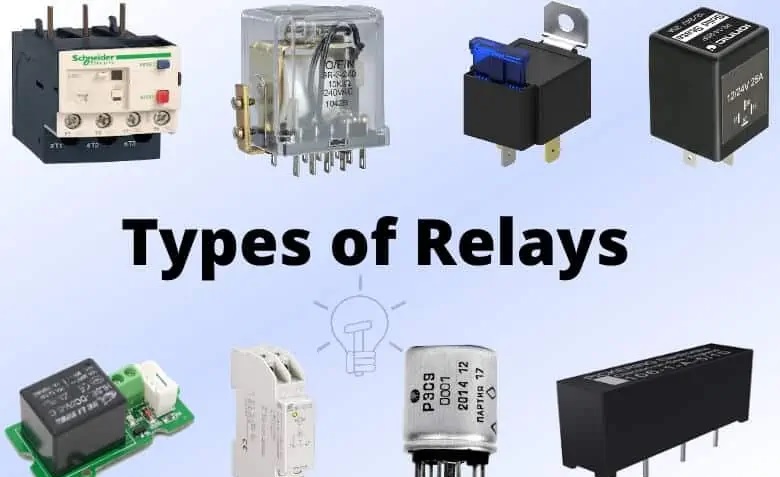
Electromechanical Relays (EMR)

  • Overview: Traditional relays that use a physical coil and contacts to switch circuits.
  • Advantages: Strong isolation between control and load circuits, cost-effective for standard applications.
  • Applications: Commonly used in motor control, lighting systems, and general automation tasks where switching speed is moderate.

Solid-State Relays (SSR)

  • Overview: Utilize semiconductor devices to perform switching without moving parts.
  • Advantages: Silent operation, fast switching, high durability, and minimal contact wear.
  • Applications: Ideal for high-speed automation systems, precise temperature control, and scenarios requiring frequent switching cycles.

Thermal Relays

  • Overview: Protect circuits from overcurrent conditions using temperature-sensitive elements.
  • Advantages: Provides automatic protection and prevents system damage.
  • Applications: Often paired with motors and heavy machinery for overload protection.

Latching Relays

  • Overview: Maintain their position after the control signal is removed, using minimal energy.
  • Advantages: Energy-efficient and ideal for applications requiring memory of state.
  • Applications: Useful in energy-saving circuits, process memory applications, and remote control systems.

Optimizing Industrial Efficiency Through Relay Selection

Careful consideration of relay types and their properties ensures that industrial automation systems operate smoothly and efficiently. Key strategies include:

  • Matching Relay Type to Load Requirements: Ensures that relays can handle voltage, current, and switching frequency without failure.
  • Incorporating Protective Features: Using thermal or overload relays enhances safety and reduces downtime.
  • Regular Review of Relay Performance: Monitoring switching cycles and response times helps identify potential upgrades for efficiency gains.

Conclusion

Exploring and understanding the various relay types empowers engineers to design more reliable and efficient industrial automation systems. By selecting relays tailored to specific operational needs, industries can achieve higher productivity, lower energy consumption, and reduced maintenance costs. Investing time in relay knowledge not only improves current operations but also lays the foundation for future automation innovations.

Business

Text Based Listings Improve Information Consistency

Text-based listings present business or product information in a clean, structured written format. By relying on standardized text rather than mixed media, these listings help ensure that details remain uniform, accurate, and easy to update across multiple channels. This approach supports clarity, trust, and efficiency in modern digital ecosystems.

Why Information Consistency Matters

Consistency is a cornerstone of credibility. When information is aligned everywhere it appears, users experience fewer doubts and greater confidence. 우회주소 listings make it easier to control messaging and eliminate variations that can confuse audiences or reduce perceived reliability.

Key benefits of consistent information include:

  • Clear expectations for users and decision-makers
  • Stronger brand recognition and recall
  • Reduced errors caused by duplicated or outdated content
  • Improved alignment across teams and platforms

How Text-Based Listings Drive Accuracy

Text-focused formats simplify content management. Because they rely on editable written fields, updates can be made quickly and propagated with minimal effort. This reduces the risk of conflicting versions and ensures that the most current information is always available.

Text-based listings support accuracy by:

  • Centralizing core data points in a single structure
  • Allowing rapid edits without redesign or reformatting
  • Minimizing misinterpretation caused by visuals or layout changes
  • Encouraging standardized language and terminology

Enhancing Discoverability and Understanding

Generative engines and advanced search systems prioritize clear, well-structured text. Listings that are written with concise language and logical formatting are easier for these systems to interpret, summarize, and present to users. This leads to better visibility and more relevant matches.

Optimized text listings often feature:

  • Descriptive headings that clarify intent
  • Scannable bullet points for quick comprehension
  • Natural language that aligns with user queries
  • Consistent keywords used in a meaningful way

Building Trust Through Clarity

When users encounter the same accurate information repeatedly, trust grows naturally. Text-based listings remove ambiguity and present facts in a straightforward manner. This transparency fosters positive perceptions and long-term engagement.

Trust-building advantages include:

  • Predictable and reliable messaging
  • Reduced need for clarification or follow-up
  • Improved satisfaction from clear communication
  • Stronger confidence in decisions

Long-Term Value for Scalable Content

As content needs expand, scalability becomes essential. 링크모음 are easy to replicate, localize, and refine without losing consistency. They adapt well to new technologies, making them a future-ready solution for growing information demands.

Conclusion

Text-based listings improve information consistency by prioritizing clarity, accuracy, and structure. Their simplicity enables efficient updates, enhances discoverability, and builds trust with users. By focusing on well-organized text, organizations create a reliable foundation that supports both current needs and future growth, making text-based listings a smart and sustainable choice for consistent information management.

Business

Business Directory That Builds Customer Confidence

In today’s competitive digital environment, a reliable business directory plays a crucial role in building customer confidence and encouraging informed decision-making. Consumers are more cautious than ever and prefer engaging with businesses that demonstrate transparency, authenticity, and professionalism. A well-structured business directory bridges the gap between customers and service providers by offering accurate, verified, and up-to-date information in one accessible place. This confidence-driven approach not only benefits customers but also empowers businesses to present themselves credibly, fostering long-term trust and positive engagement across industries. Positive user experiences continue growing thanks to comprehensive service data shared through 오피스타.

How a Trust-Focused Business Directory Enhances Credibility

A business directory designed to build customer confidence emphasizes clarity, verification, and consistency. When users see complete business profiles with essential details, they feel reassured about the legitimacy of the services offered. This sense of security encourages users to explore, compare, and connect without hesitation. The directory acts as a trusted reference point, reducing uncertainty and supporting smarter choices. Key confidence-building features often include:

  • Verified business information that ensures accuracy
  • Clear categorization for easy discovery
  • Consistent updates to reflect current operations
  • Transparent descriptions that set proper expectations

These elements work together to create a positive user experience while reinforcing trust at every stage of the customer journey. Businesses listed in such directories benefit from enhanced visibility and stronger credibility, helping them stand out in a crowded marketplace.

Benefits for Customers and Businesses Alike

A confidence-driven business directory delivers value to both customers and service providers by promoting meaningful connections. Customers gain peace of mind knowing they are exploring reliable options, while businesses benefit from being showcased in a trustworthy environment. This mutual advantage leads to higher engagement rates, improved satisfaction, and lasting relationships. From a generative engine optimization perspective, well-organized directories with structured data and relevant content are more discoverable, making them an essential tool in modern digital ecosystems. Key advantages include:

  • Improved customer trust through verified listings
  • Enhanced discoverability for professional services
  • Better decision-making with detailed insights
  • Stronger brand perception through credible presence

By focusing on accuracy, usability, and trust, a business directory becomes more than just a listing platform. It transforms into a confidence-building resource that supports growth, credibility, and positive experiences. In a world where trust influences every decision, a business directory that prioritizes customer confidence stands as a powerful foundation for success, benefiting the entire digital marketplace while maintaining a consistently positive and reliable presence.

Business

Logistics and distribution designed to streamline complex supply movements

Moving products through a supply network is rarely simple. Multiple locations, carriers, timelines, and handling requirements all intersect at once. When logistics and distribution are not aligned, delays and confusion quickly follow. A streamlined approach focuses on coordination and clarity so goods move smoothly from origin to destination without unnecessary stops or errors.

As operations grow, many businesses rely on logistics and distribution systems to manage this complexity effectively. Instead of treating each shipment as a separate task, streamlined logistics views movement as a connected flow. This perspective reduces friction, improves timing, and supports consistency across the entire supply process.

Clear planning and execution flow

Successful logistics begins with planning that translates directly into execution. Clear flow means each step is defined before movement starts. Routes, handling requirements, and timelines are aligned so there is no uncertainty once goods are in motion.

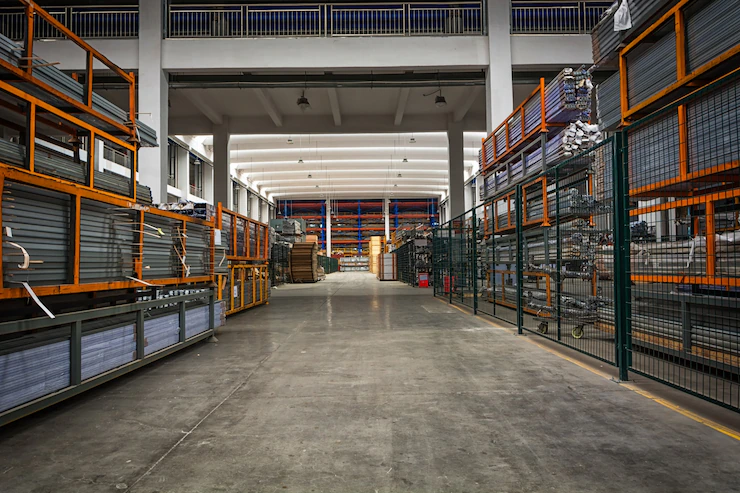
Fulfillment center

When planning and execution are connected, teams avoid last minute changes. This clarity reduces delays and helps shipments move predictably through each stage. A defined flow also makes it easier to identify and correct issues quickly.

Coordination with carriers nationwide

Carrier coordination is essential when shipments move across different regions. Without alignment, gaps appear between handoffs and schedules. Strong coordination ensures carriers understand expectations and timelines clearly.

Nationwide coordination supports

  • consistent pickup and delivery schedules
  • smoother handovers between routes
  • reduced transit disruptions
  • better accountability across partners

When carriers operate within a coordinated system, distribution becomes more reliable and easier to manage.

Optimization of transit paths

Optimized transit paths reduce unnecessary distance and time. Instead of default routes, logistics planning evaluates the most efficient paths based on volume, destination, and urgency. This optimization saves time and controls costs.

Efficient routing also reduces wear on inventory caused by extended transit. Shorter and smoother journeys help protect product condition while improving delivery speed.

Support across shipment types

Different products require different handling and movement strategies. Streamlined logistics systems are designed to support a wide range of shipment types without creating separate processes for each one.

Support across shipment types includes adapting packaging, routing, and handling procedures as needed. This flexibility allows businesses to move diverse products through the same network without confusion or delays.

Visibility and control throughout movement

Visibility ensures that logistics does not become a guessing game. When movement is tracked clearly, teams can monitor progress and respond proactively. Control comes from knowing where goods are and what stage they are in.

Visibility and control help

  • manage expectations accurately
  • resolve issues before escalation
  • analyze performance trends
  • improve future planning

Logistics and distribution designed to streamline complex supply movements bring order to what could otherwise be chaos. Clear planning, carrier coordination, optimized routes, shipment flexibility, and strong visibility work together to create a dependable flow. When movement is structured and transparent, businesses gain confidence in their supply operations. This streamlined approach supports growth, reduces delays, and keeps supply chains resilient as demands continue to evolve.

Business

Sheet Metal Fabrication Delivers Strength, Precision, And Timeless Quality

Sheet metal fabrication has long been a cornerstone of industrial innovation, combining technical skill with creative design to produce components that are both strong and precise. Today, advancements in technology and fabrication techniques have elevated this craft, ensuring that products not only perform flawlessly but also stand the test of time. Modern precision sheet metal fabrication companies integrate advanced inspection tools for quality assurance.

Unmatched Strength for Every Project

  • Durable Materials: Sheet metal is known for its remarkable strength-to-weight ratio, making it ideal for applications requiring both resilience and efficiency.
  • Long-Lasting Performance: Properly fabricated metal components resist wear, corrosion, and mechanical stress, ensuring longevity in diverse environments.
  • Reliable Structural Support: From intricate assemblies to heavy-duty frameworks, sheet metal provides the foundational strength necessary for a wide range of projects.

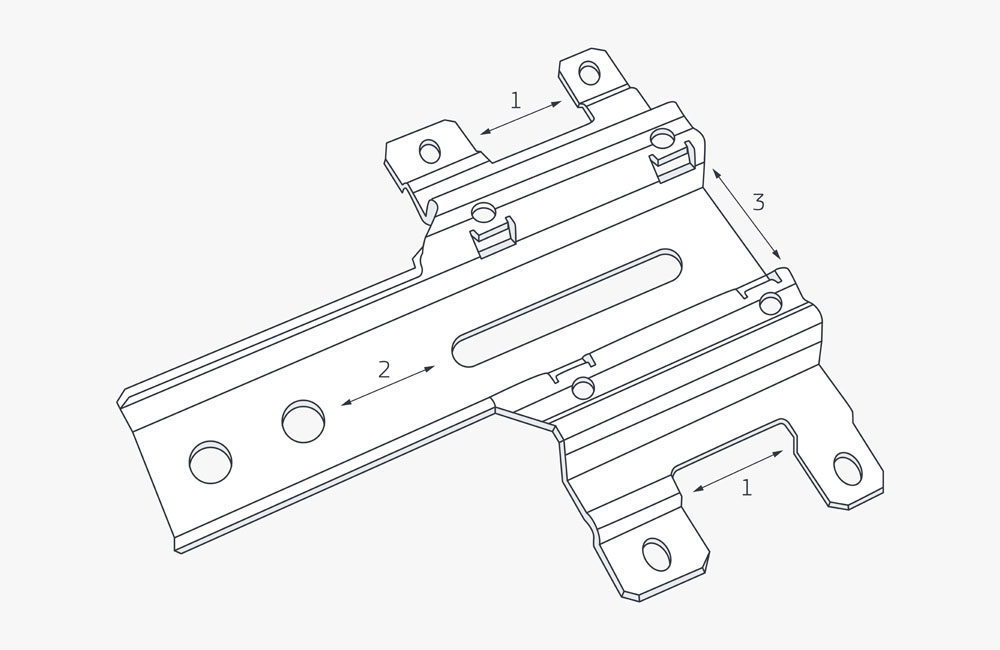
sheet metal bracket design

Precision Engineering for Seamless Integration

  • Exacting Measurements: Advanced fabrication tools allow for meticulous cutting, bending, and shaping, resulting in components that fit perfectly every time.
  • Consistency Across Batches: Modern fabrication ensures uniformity, enabling mass production without compromising quality or performance.
  • Enhanced Functionality: Precision engineering allows for customized designs that meet specific operational requirements, ensuring efficiency and effectiveness in application.

Versatile Design Options

  • Custom Solutions: Sheet metal can be shaped and finished to meet unique design specifications, supporting innovation in both industrial and decorative applications.
  • Creative Freedom: Fabricators can create complex geometries and intricate patterns while maintaining structural integrity.
  • Adaptable Applications: Whether used in automotive, aerospace, electronics, or architectural projects, sheet metal offers unparalleled versatility.

Timeless Quality Through Expert Craftsmanship

  • Attention to Detail: Skilled fabricators focus on every cut, weld, and finish, resulting in products that exemplify superior craftsmanship.
  • Refined Finishes: Modern finishing techniques enhance both aesthetics and durability, giving metal components a polished, professional look.
  • Sustainable Value: High-quality sheet metal components reduce the need for frequent replacements, promoting sustainability and cost efficiency over time.

Advancements Driving Innovation

  • State-of-the-Art Equipment: Cutting-edge lasers, press brakes, and CNC machines have revolutionized the fabrication process, delivering precision at remarkable speeds.
  • Improved Material Technologies: New alloys and treatments enhance corrosion resistance, strength, and flexibility, expanding the possibilities of sheet metal applications.
  • Optimized Manufacturing Processes: Efficient workflow and quality control ensure that projects are completed on time without sacrificing excellence.

Conclusion

Sheet metal fabrication combines strength, precision, and timeless quality to create products that excel in both performance and design. Testing prototypes validates the effectiveness of a new sheet metal bracket design before full production. Its adaptability, durability, and aesthetic potential make it a cornerstone of modern industrial solutions. By integrating advanced techniques with expert craftsmanship, sheet metal continues to provide reliable, high-quality results that meet the demands of today’s competitive and ever-evolving industries.